Repair Cost Range: $250 to $600.
Local Dynamics: Plumbers working within the urban core face tight historical home sizes, restricted street parking, and difficult traffic situations. This dynamic might increase diagnostics flat fees, especially for aged galvanized plumbing systems in older homes.
Katy / Cinco Ranch
Repair Cost Range: $275 to $650.
Local Dynamics: Katy consists of large suburban houses that use dual-tank installations or high-efficiency tankless systems. In the local water supply, there is a high presence of minerals. Thus, scaling and elements burnout happen quite often in Katy.
Sugar Land / Missouri City
Repair Cost Range: $265 to $625.
Local Dynamics: In Sugar Land, there are high water pressures at the base line. This means that plumbers in Sugar Land regularly have to perform replacement or repair of the Pressure Reducing Valves (PRV) in addition to regular water heater installation tasks in order to save the appliance.
Cypress / Jersey Village
Repair Cost Range: $260 to $610.
Local Dynamics: Fast suburban sprawl in Cypress leads to a situation when houses there have rather new plumbing systems. However, those systems need compliance with current codes upgrade if the old builder grade water heater fails earlier than expected.
The Woodlands / Spring
Repair Cost Range: $280 to $680.
Local Dynamics: Additional travel premiums due to the distance from central dispatch locations and weather patterns with dense tree cover cause many requests of emergency services in the area.
7. Fees for Emergency Water Heater Repair in Houston
Plumbing problems do not respect regular working hours. If your water heater bursts at 11:00 PM on Saturday night, you will definitely need an emergency service.
What Constitutes a True Water Heater Emergency?
Constant, uncontrolled flow of water dripping out of the bottom of the tank shell.
Natural gas or sulfur smell in the area of the burner shroud.
Totally blocked or clogged water heater vent pipe blowing carbon monoxide back into your home.
Emergency Pricing Structures
If you’re in need of emergency service after business hours, during weekends or on major holidays, you should be ready to pay additional costs.
Fixed Emergency Diagnostic Dispatch Fee: Most firms will ask you for a fixed emergency service trip fee of $300-$400 to send out an engineer outside of normal working hours.
Inflated Hourly Labor Rates: If they charge by the hour, the basic labor rate charged will usually increase 1.5-3 times above the firm’s standard daytime rate, so expect to pay $150-$300/hour and above for emergency service.
8. Repair versus Replacement: Which is the Right Call?
Choosing between repairing or replacing your old water heater is always the most difficult decision for a homeowner to make.
Is there a Leak in Your Water Heater Tank?
/ \
Yes No
/ \
[Must Replace Unit] Over 10-12 years old?
/ \
Yes No
/ \
[Consider Replacing] [Safe to Repair]
The key to making the right choice is based on these three fundamental rules of thumb:
1. The Age of the Water Heater Unit
Traditional Tank Water Heaters have a life span of 8-15 years. When your tank heater is beyond the 10-year mark, metal fatigue inside the heater dictates the need for replacement.
Tankless Water Heaters will last 10-20 years if properly maintained.
2. 50% Rule of Thumb
Using the repair estimate that you receive from your plumber, if the cost of fixing the problem is more than 50% of what it will take to install a new unit, then it is much better to spend the money on installing a new unit that carries its own manufacturer’s warranty.
3. Irreparable Leak in the Water Heater Tank
A tank water heater that is leaking directly from the body of the metal tank or structural seams is irreparably damaged. This kind of leakage means that the internal glass coating inside the tank heater has been cracked, while the external steel shell is corroded beyond repair. It cannot be welded or patched up any longer.
9. Local Houston Building Codes, Permitting, and Legal Regulations
You cannot just switch pieces out or change footprint configurations without consideration for structural building codes. Your home and surrounding properties in the City of Houston area are bound by stringent building codes to protect you.
City Building Permitting Regulations
As per the Public Works Department in the City of Houston, any structural change to the plumbing in your house, such as changing a water heater or making changes to utility line configuration, will require a plumbing permit.
Building Permit Fees: Basic municipal plumbing permits will usually cost somewhere between $25 and $300 based on the scale of work to be checked.
Reasons Why You Should Obtain Building Permits: Failure to get the required permits can attract fines from city code enforcement officers, interfere with the sale of your home during future real estate inspections, and provide justification to insurance adjusters should your home experience water damage due to a non-permitted appliance.
Code Compliance Requirements to Note
In case your present water heater setup was installed several years ago, you may need to bring it up to date during a professional repair or replacement:
Thermal Expansion Tank: If your home has a closed-loop water system, it should have a thermal expansion tank installed above the main water heater to absorb volume changes caused by heating to avoid placing excessive stress on your pipes.
Safety Drip Pans and Run-off Lines: In case the water heater is installed in the attic or the living area inside the house, then it has to be installed in an insulated drip pan that has an unimpeded drain line that leads to the exterior of your home’s foundation.
Gas Supply Line Upgraded Shut-off Sediment Trap: Your gas supply line should have a short inline sediment trap (also referred to as the dirt leg). It captures any dust and moisture before it reaches the water heater’s gas control valve.
10. Doing It Yourself or Hiring a Licensed Houston Plumbing Contractor
In the face of many how-to home improvement videos online, it may be tempting to attempt to repair your water heater on your own to save money. However, there are a few things to remember about where it makes sense to go DIY and where it poses a danger to your home.
What Savvy Homeowners Should Do It Themselves
If you are handy with hand tools and digital multimeter, here are some repairs that you can do
When You Absolute Must Call a Licensed Plumber
You should definitely have a plumbing professional deal with the repair job in case the following applies:
Working with Gas Lines: Disconnecting, connecting and testing gas lines need specialized pressure manometers and gas detectors. A single misstep may result in natural gas leaks or carbon monoxide buildup.
Multi-Phase Electrical Upgrades: Installing a high demand electric tankless system instead of the usual tank water heater requires new heavy gauge wiring as well as a renovation of your electrical panel up to 200 amps or above. Such an upgrade demands that you use the services of either a licensed electrician or a specialist plumber.
Preserving your warranty: Most big brands producing water heaters (e.g. Rheem, A.O. Smith, Bradford White) will cancel your parts warranty if a component is not professionally installed and certified by a licensed contractor.
11. Preventative Maintenance Guide to Save Yourself from Costly Repairs
The best method of keeping your water heater repair bills in check is to avoid breakages altogether. Proper care of the appliance will prolong its life, reduce your energy consumption expenses and prevent you from calling an emergency service.
1.Turn Off the Power and Fuel Sources:Step 1 – Safety First.
Before you start working on your water heater, you have to turn off its power source. If your appliance is electric, shut down the right breaker in your main panel. For gas heater – turn off the control dial on the valve.
2.Connect a Standard Garden Hose:Step 2 – Connect Drain.
Connect a garden hose to the brass or plastic drain valve located near the bottom of your heater tank. Take the other end of the hose to a drainage location (floor drain, driveway or lawn).
3.Open a Hot Water Faucet Inside the Home:Step 3 – Break Vacuum.
Open a hot water faucet inside your home. It will allow air to go into the plumbing lines, breaking vacuum seal inside and thus facilitating water draining.
4.Open the Drain Valve Fully:Step 4 – Flush Sediment.
Open the drain valve of your water heater. Allow the water to flow until the tank is empty. Watch for white mineral scale or muddy sediment. Once the tank is emptied, open the cold water inlet valve a few times.
5.Fill the Tank Before Turning Power on:Step 5 – Refill and Restore Power.
Close the drain valve, disconnect the hose and turn your cold water inlet valve on to fill the
12. Smart Questions to Ask a Professional Houston Plumber
When reaching out to a plumbing professional to deal with water heater problems, you have to be sure that you are cooperating with experienced and honest companies.
Here is a list of direct questions that will help you protect your investment prior to giving your permission to begin with the repairs:
1. “Do you have the state plumbing license to perform your services from the Texas State Board of Plumbing Examiners (TSBPE)?”
You should always check whether the technician working in your house holds the current state plumbing license to work with your gas and water lines.
2. “Does your estimate of costs cover all necessary permits and updates according to local codes?”
It will help you to avoid any unnecessary charges for additional permits like sediment traps and expansion tanks later on.
3. “How does the warranty period look for your labor and new components?”
Honest businesses guarantee their customers at least 1-year warranty for their labor apart from manufacturer’s warranty for new parts.
4. “Can the problems with my system be solved by means of flushing, or some components have already been damaged?”
Honest professionals will always inform you about the necessity of replacing one of the components rather than performing maintenance.
With this guide by hand, you will be able to make reasonable choices and communicate with the technician effectively.
Average Cost: $150 – $300.
The Problem: Plastic dip tube is responsible for sending incoming cold water straight to the bottom of the tank where it gets heated effectively by the burner or bottom heating element. In case when the dip tube wears off or breaks off in the tank, cold water will mix with hot water that stays on the top of the tank, and it makes your shower run too warm or turns cold after a few minutes.
The Fix: Disconnecting cold water inlet, removing the remains of the broken plastic tube, installing a new durable dip tube and reconnecting water connections.
4. Costs of Tankless Water Heater Repair vs. Traditional Tank Repair
Technology used to heat water plays a major role in determining labor and materials’ prices. To repair tankless heater you need to have completely different diagnostic skills than those needed to fix traditional tank type.
Traditional Tank Systems
The design of traditional tanks works on mechanical basis: water is stored in the cylinder and is constantly heated by electric elements or gas burners. Due to standardization of all parts and their availability, repairs are relatively cheap, costing $150-$450 in most cases.
Tankless Systems (On-Demand Water Heaters)
Tankless units are complex electronic devices with circuit boards, flow sensors, modulating gas valves and complicated heat exchangers. In case of an error code thrown by your tankless system, advanced level of electronic troubleshooting will be required.
Average Repair Price Range: $300 – $1,300.
Heat Exchanger Cleaning/Repair: In case when the copper heat exchanger becomes blocked by mineral deposits, restoration of its functioning will cost $400-$900, depending on how badly clogged it is.
PC Board Replacement: Replacing burnt-out motherboard/main control board of high-end tankless unit is going to cost you $500-$950.
5. Factors That Influence Water Heater Repair Prices
If you call three different plumbing companies of Houston metro area, you’ll get three slightly different prices. It is so because there are several factors influencing the price of labor and materials that will be required to repair your heater.
1. Fuel Type (Gas vs. Electric)
In addition, water heater units running on gas demand special vent monitoring, gas leak detection, and accurate gas pressure calibration – all of which increases repair cost by an average 15% to 30% compared to electric appliances.
2. Location and Accessibility of the Appliance
Where is your water heater situated?
Easy Access: In case your appliance is positioned on the first floor in a wide-open garage or a utility closet – labor cost will stay at the low end of the price range.
Hard Access: In case your water heater is deeply hidden in the attic, requires access via a steep ladder, or concealed behind drywall – your labor cost will be increased by $100-$250 for added safety precautions and physical effort required to fix it.
3. Age and Overall State of the Appliance
Should your water heater be more than 10 years old and covered with external corrosion or rusted pipe fittings – what would be normally a 20-minutes job can turn into a time-consuming multi-hour task due to brittle metal threads that can strip or break under pressure thus requiring additional pipe fabrication to properly perform the job.
4. Houston’s Regional Hard Water Specifics
Water system in Houston has its own unique mineral composition. Areas such as Katy, Sugar Land, and Cypress have hard water conditions, meaning there are a lot of dissolved calcium and magnesium ions in the water.
Once heated, these ions crystallize forming rock-like deposit at the bottom of your water tank, insulating heating element. This forces the water to stay hotter for longer periods of time – thus increasing the rate of wear and tear.
6. Houston Geographic Suburbs and their Pricing Characteristics
There can be differences in prices based on where specifically in Houston metropolitan area you reside. Travel time, local gasoline prices, and master plumbing districts will have an effect on local service quotes.
+————————————————————-+
| ESTIMATED REPAIR COSTS BY HOUSTON SUBURB |
+————————————————————-+
| |
| [ Central Houston ] ——–> $250 – $600 |
| |
| [ Katy / Cinco Ranch ] —–> $275 – $650 |
| |
| [ Sugar Land / Missouri C. ] > $265 – $625 |
| |
| [ Cypress / Jersey Village ] > $260 – $610 |
| |
| [ The Woodlands / Spring ] –> $280 – $680 |
| |
+-------------------------------------------------------------+
Central Houston (Inside the 610 Loop)
Repair Cost Range: $250 to $600.
Local Dynamics: Plumbers working within the urban core face tight historical home sizes, restricted street parking, and difficult traffic situations. This dynamic might increase diagnostics flat fees, especially for aged galvanized plumbing systems in older homes.
Katy / Cinco Ranch
Repair Cost Range: $275 to $650.
Local Dynamics: Katy consists of large suburban houses that use dual-tank installations or high-efficiency tankless systems. In the local water supply, there is a high presence of minerals. Thus, scaling and elements burnout happen quite often in Katy.
Sugar Land / Missouri City
Repair Cost Range: $265 to $625.
Local Dynamics: In Sugar Land, there are high water pressures at the base line. This means that plumbers in Sugar Land regularly have to perform replacement or repair of the Pressure Reducing Valves (PRV) in addition to regular water heater installation tasks in order to save the appliance.
Cypress / Jersey Village
Repair Cost Range: $260 to $610.
Local Dynamics: Fast suburban sprawl in Cypress leads to a situation when houses there have rather new plumbing systems. However, those systems need compliance with current codes upgrade if the old builder grade water heater fails earlier than expected.
The Woodlands / Spring
Repair Cost Range: $280 to $680.
Local Dynamics: Additional travel premiums due to the distance from central dispatch locations and weather patterns with dense tree cover cause many requests of emergency services in the area.
7. Fees for Emergency Water Heater Repair in Houston
Plumbing problems do not respect regular working hours. If your water heater bursts at 11:00 PM on Saturday night, you will definitely need an emergency service.
What Constitutes a True Water Heater Emergency?
Constant, uncontrolled flow of water dripping out of the bottom of the tank shell.
Natural gas or sulfur smell in the area of the burner shroud.
Totally blocked or clogged water heater vent pipe blowing carbon monoxide back into your home.
Emergency Pricing Structures
If you’re in need of emergency service after business hours, during weekends or on major holidays, you should be ready to pay additional costs.
Fixed Emergency Diagnostic Dispatch Fee: Most firms will ask you for a fixed emergency service trip fee of $300-$400 to send out an engineer outside of normal working hours.
Inflated Hourly Labor Rates: If they charge by the hour, the basic labor rate charged will usually increase 1.5-3 times above the firm’s standard daytime rate, so expect to pay $150-$300/hour and above for emergency service.
8. Repair versus Replacement: Which is the Right Call?
Choosing between repairing or replacing your old water heater is always the most difficult decision for a homeowner to make.
Is there a Leak in Your Water Heater Tank?
/ \
Yes No
/ \
[Must Replace Unit] Over 10-12 years old?
/ \
Yes No
/ \
[Consider Replacing] [Safe to Repair]
The key to making the right choice is based on these three fundamental rules of thumb:
1. The Age of the Water Heater Unit
Traditional Tank Water Heaters have a life span of 8-15 years. When your tank heater is beyond the 10-year mark, metal fatigue inside the heater dictates the need for replacement.
Tankless Water Heaters will last 10-20 years if properly maintained.
2. 50% Rule of Thumb
Using the repair estimate that you receive from your plumber, if the cost of fixing the problem is more than 50% of what it will take to install a new unit, then it is much better to spend the money on installing a new unit that carries its own manufacturer’s warranty.
3. Irreparable Leak in the Water Heater Tank
A tank water heater that is leaking directly from the body of the metal tank or structural seams is irreparably damaged. This kind of leakage means that the internal glass coating inside the tank heater has been cracked, while the external steel shell is corroded beyond repair. It cannot be welded or patched up any longer.
9. Local Houston Building Codes, Permitting, and Legal Regulations
You cannot just switch pieces out or change footprint configurations without consideration for structural building codes. Your home and surrounding properties in the City of Houston area are bound by stringent building codes to protect you.
City Building Permitting Regulations
As per the Public Works Department in the City of Houston, any structural change to the plumbing in your house, such as changing a water heater or making changes to utility line configuration, will require a plumbing permit.
Building Permit Fees: Basic municipal plumbing permits will usually cost somewhere between $25 and $300 based on the scale of work to be checked.
Reasons Why You Should Obtain Building Permits: Failure to get the required permits can attract fines from city code enforcement officers, interfere with the sale of your home during future real estate inspections, and provide justification to insurance adjusters should your home experience water damage due to a non-permitted appliance.
Code Compliance Requirements to Note
In case your present water heater setup was installed several years ago, you may need to bring it up to date during a professional repair or replacement:
Thermal Expansion Tank: If your home has a closed-loop water system, it should have a thermal expansion tank installed above the main water heater to absorb volume changes caused by heating to avoid placing excessive stress on your pipes.
Safety Drip Pans and Run-off Lines: In case the water heater is installed in the attic or the living area inside the house, then it has to be installed in an insulated drip pan that has an unimpeded drain line that leads to the exterior of your home’s foundation.
Gas Supply Line Upgraded Shut-off Sediment Trap: Your gas supply line should have a short inline sediment trap (also referred to as the dirt leg). It captures any dust and moisture before it reaches the water heater’s gas control valve.
10. Doing It Yourself or Hiring a Licensed Houston Plumbing Contractor
In the face of many how-to home improvement videos online, it may be tempting to attempt to repair your water heater on your own to save money. However, there are a few things to remember about where it makes sense to go DIY and where it poses a danger to your home.
What Savvy Homeowners Should Do It Themselves
If you are handy with hand tools and digital multimeter, here are some repairs that you can do
When You Absolute Must Call a Licensed Plumber
You should definitely have a plumbing professional deal with the repair job in case the following applies:
Working with Gas Lines: Disconnecting, connecting and testing gas lines need specialized pressure manometers and gas detectors. A single misstep may result in natural gas leaks or carbon monoxide buildup.
Multi-Phase Electrical Upgrades: Installing a high demand electric tankless system instead of the usual tank water heater requires new heavy gauge wiring as well as a renovation of your electrical panel up to 200 amps or above. Such an upgrade demands that you use the services of either a licensed electrician or a specialist plumber.
Preserving your warranty: Most big brands producing water heaters (e.g. Rheem, A.O. Smith, Bradford White) will cancel your parts warranty if a component is not professionally installed and certified by a licensed contractor.
11. Preventative Maintenance Guide to Save Yourself from Costly Repairs
The best method of keeping your water heater repair bills in check is to avoid breakages altogether. Proper care of the appliance will prolong its life, reduce your energy consumption expenses and prevent you from calling an emergency service.
1.Turn Off the Power and Fuel Sources:Step 1 – Safety First.
Before you start working on your water heater, you have to turn off its power source. If your appliance is electric, shut down the right breaker in your main panel. For gas heater – turn off the control dial on the valve.
2.Connect a Standard Garden Hose:Step 2 – Connect Drain.
Connect a garden hose to the brass or plastic drain valve located near the bottom of your heater tank. Take the other end of the hose to a drainage location (floor drain, driveway or lawn).
3.Open a Hot Water Faucet Inside the Home:Step 3 – Break Vacuum.
Open a hot water faucet inside your home. It will allow air to go into the plumbing lines, breaking vacuum seal inside and thus facilitating water draining.
4.Open the Drain Valve Fully:Step 4 – Flush Sediment.
Open the drain valve of your water heater. Allow the water to flow until the tank is empty. Watch for white mineral scale or muddy sediment. Once the tank is emptied, open the cold water inlet valve a few times.
5.Fill the Tank Before Turning Power on:Step 5 – Refill and Restore Power.
Close the drain valve, disconnect the hose and turn your cold water inlet valve on to fill the
12. Smart Questions to Ask a Professional Houston Plumber
When reaching out to a plumbing professional to deal with water heater problems, you have to be sure that you are cooperating with experienced and honest companies.
Here is a list of direct questions that will help you protect your investment prior to giving your permission to begin with the repairs:
1. “Do you have the state plumbing license to perform your services from the Texas State Board of Plumbing Examiners (TSBPE)?”
You should always check whether the technician working in your house holds the current state plumbing license to work with your gas and water lines.
2. “Does your estimate of costs cover all necessary permits and updates according to local codes?”
It will help you to avoid any unnecessary charges for additional permits like sediment traps and expansion tanks later on.
3. “How does the warranty period look for your labor and new components?”
Honest businesses guarantee their customers at least 1-year warranty for their labor apart from manufacturer’s warranty for new parts.
4. “Can the problems with my system be solved by means of flushing, or some components have already been damaged?”
Honest professionals will always inform you about the necessity of replacing one of the components rather than performing maintenance.
With this guide by hand, you will be able to make reasonable choices and communicate with the technician effectively.
Average Cost: $150 to $350 per part.
The Problem: Electrical water heater units usually comprise of two unique heating parts, the upper element, and the lower element. Mineral and sediment build-up over time results in the burnout of the metallic elements due to overheating.
The Fix: Draining the water tank to a point just below the affected part, unthreading the part, cleaning the inner port, replacing it with a higher wattage element, and then testing its resistance.
Replacing the Thermostat
Average Cost: $150 to $300.
The Problem: Your water heater may be either too hot or too cold despite having perfectly operational heating components. There is an internal thermostat in all electric water heaters. In this type, there are two different thermostats that operate each heating element separately. On the other hand, gas water heaters utilize a central control module.
The Fix: Disconnection of the wire harness, removal of the dysfunctional thermostat, calibration of the replacement thermostat and setting the temperature limit to 120°F.
Replacement of the Thermocouple or Flame Sensor
Average Cost: $100 to $250.
The Problem: The thermocouple is a safety component in the gas water heater system. It detects whether or not the pilot flame is active. If it gets damaged by being bent, corroded or cracked, it closes off the fuel supply leading to lack of water heating.
The Fix: Detaching the burner assembly, disconnecting the old thermocouple line from the valve block, fitting a new high-temperature thermocouple sensor, re-lighting the pilot and performing a test run.
Recovery and Drain Valve (T&P Valve) Replacement
Average Cost: $150 to $325.
The Problem: T&P valve is the most crucial safety item in water heaters. It releases water in case the internal pressure and temperature rises to dangerously high levels and prevents tank explosion. When you see continuous dripping or leaking from the discharge pipe, the valve's spring mechanism is defective.
The Fix: Depressurizing the tank, draining the water from the top, unthreading the defective T&P valve, applying thread sealing compound, installing a new one and then checking for leaks.
Anode Rod Replacement
Average Cost: $150 to $350.
The Problem: Anode rod is an internal rod in the water heater that is made of magnesium, aluminum or zinc. It has only one purpose – it lures the corrosive minerals in the water to attack it instead of attacking the steel water tank shell. In case this rod is depleted,Gas Control Valve Replacement
- Average Cost: $300 to $750.
- The Problem: The main gas control valve regulate fuel flow to the burner ring based on structural messages sent from the thermostat. When this complex electrical/mechanical component fails, the burner will fail to light, or it may exhibit sporadic heating behavior.
- The Fix: Safely shutting down the home’s main gas line connection, disconnecting the manifold tube, pilot tube, and thermocouple, replacing the central control mechanism, checking for gas leaks with specialized testing fluid, and recalibrating the gas pressure.
Dip Tube Replacement
Average Cost: $150 – $300.
The Problem: Plastic dip tube is responsible for sending incoming cold water straight to the bottom of the tank where it gets heated effectively by the burner or bottom heating element. In case when the dip tube wears off or breaks off in the tank, cold water will mix with hot water that stays on the top of the tank, and it makes your shower run too warm or turns cold after a few minutes.
The Fix: Disconnecting cold water inlet, removing the remains of the broken plastic tube, installing a new durable dip tube and reconnecting water connections.
4. Costs of Tankless Water Heater Repair vs. Traditional Tank Repair
Technology used to heat water plays a major role in determining labor and materials’ prices. To repair tankless heater you need to have completely different diagnostic skills than those needed to fix traditional tank type.
Traditional Tank Systems
The design of traditional tanks works on mechanical basis: water is stored in the cylinder and is constantly heated by electric elements or gas burners. Due to standardization of all parts and their availability, repairs are relatively cheap, costing $150-$450 in most cases.
Tankless Systems (On-Demand Water Heaters)
Tankless units are complex electronic devices with circuit boards, flow sensors, modulating gas valves and complicated heat exchangers. In case of an error code thrown by your tankless system, advanced level of electronic troubleshooting will be required.
Average Repair Price Range: $300 – $1,300.
Heat Exchanger Cleaning/Repair: In case when the copper heat exchanger becomes blocked by mineral deposits, restoration of its functioning will cost $400-$900, depending on how badly clogged it is.
PC Board Replacement: Replacing burnt-out motherboard/main control board of high-end tankless unit is going to cost you $500-$950.
5. Factors That Influence Water Heater Repair Prices
If you call three different plumbing companies of Houston metro area, you’ll get three slightly different prices. It is so because there are several factors influencing the price of labor and materials that will be required to repair your heater.
1. Fuel Type (Gas vs. Electric)
In addition, water heater units running on gas demand special vent monitoring, gas leak detection, and accurate gas pressure calibration – all of which increases repair cost by an average 15% to 30% compared to electric appliances.
2. Location and Accessibility of the Appliance
Where is your water heater situated?
Easy Access: In case your appliance is positioned on the first floor in a wide-open garage or a utility closet – labor cost will stay at the low end of the price range.
Hard Access: In case your water heater is deeply hidden in the attic, requires access via a steep ladder, or concealed behind drywall – your labor cost will be increased by $100-$250 for added safety precautions and physical effort required to fix it.
3. Age and Overall State of the Appliance
Should your water heater be more than 10 years old and covered with external corrosion or rusted pipe fittings – what would be normally a 20-minutes job can turn into a time-consuming multi-hour task due to brittle metal threads that can strip or break under pressure thus requiring additional pipe fabrication to properly perform the job.
4. Houston’s Regional Hard Water Specifics
Water system in Houston has its own unique mineral composition. Areas such as Katy, Sugar Land, and Cypress have hard water conditions, meaning there are a lot of dissolved calcium and magnesium ions in the water.
Once heated, these ions crystallize forming rock-like deposit at the bottom of your water tank, insulating heating element. This forces the water to stay hotter for longer periods of time – thus increasing the rate of wear and tear.
6. Houston Geographic Suburbs and their Pricing Characteristics
There can be differences in prices based on where specifically in Houston metropolitan area you reside. Travel time, local gasoline prices, and master plumbing districts will have an effect on local service quotes.
+————————————————————-+
| ESTIMATED REPAIR COSTS BY HOUSTON SUBURB |
+————————————————————-+
| |
| [ Central Houston ] ——–> $250 – $600 |
| |
| [ Katy / Cinco Ranch ] —–> $275 – $650 |
| |
| [ Sugar Land / Missouri C. ] > $265 – $625 |
| |
| [ Cypress / Jersey Village ] > $260 – $610 |
| |
| [ The Woodlands / Spring ] –> $280 – $680 |
| |
+-------------------------------------------------------------+
Central Houston (Inside the 610 Loop)
Repair Cost Range: $250 to $600.
Local Dynamics: Plumbers working within the urban core face tight historical home sizes, restricted street parking, and difficult traffic situations. This dynamic might increase diagnostics flat fees, especially for aged galvanized plumbing systems in older homes.
Katy / Cinco Ranch
Repair Cost Range: $275 to $650.
Local Dynamics: Katy consists of large suburban houses that use dual-tank installations or high-efficiency tankless systems. In the local water supply, there is a high presence of minerals. Thus, scaling and elements burnout happen quite often in Katy.
Sugar Land / Missouri City
Repair Cost Range: $265 to $625.
Local Dynamics: In Sugar Land, there are high water pressures at the base line. This means that plumbers in Sugar Land regularly have to perform replacement or repair of the Pressure Reducing Valves (PRV) in addition to regular water heater installation tasks in order to save the appliance.
Cypress / Jersey Village
Repair Cost Range: $260 to $610.
Local Dynamics: Fast suburban sprawl in Cypress leads to a situation when houses there have rather new plumbing systems. However, those systems need compliance with current codes upgrade if the old builder grade water heater fails earlier than expected.
The Woodlands / Spring
Repair Cost Range: $280 to $680.
Local Dynamics: Additional travel premiums due to the distance from central dispatch locations and weather patterns with dense tree cover cause many requests of emergency services in the area.
7. Fees for Emergency Water Heater Repair in Houston
Plumbing problems do not respect regular working hours. If your water heater bursts at 11:00 PM on Saturday night, you will definitely need an emergency service.
What Constitutes a True Water Heater Emergency?
Constant, uncontrolled flow of water dripping out of the bottom of the tank shell.
Natural gas or sulfur smell in the area of the burner shroud.
Totally blocked or clogged water heater vent pipe blowing carbon monoxide back into your home.
Emergency Pricing Structures
If you’re in need of emergency service after business hours, during weekends or on major holidays, you should be ready to pay additional costs.
Fixed Emergency Diagnostic Dispatch Fee: Most firms will ask you for a fixed emergency service trip fee of $300-$400 to send out an engineer outside of normal working hours.
Inflated Hourly Labor Rates: If they charge by the hour, the basic labor rate charged will usually increase 1.5-3 times above the firm’s standard daytime rate, so expect to pay $150-$300/hour and above for emergency service.
8. Repair versus Replacement: Which is the Right Call?
Choosing between repairing or replacing your old water heater is always the most difficult decision for a homeowner to make.
Is there a Leak in Your Water Heater Tank?
/ \
Yes No
/ \
[Must Replace Unit] Over 10-12 years old?
/ \
Yes No
/ \
[Consider Replacing] [Safe to Repair]
The key to making the right choice is based on these three fundamental rules of thumb:
1. The Age of the Water Heater Unit
Traditional Tank Water Heaters have a life span of 8-15 years. When your tank heater is beyond the 10-year mark, metal fatigue inside the heater dictates the need for replacement.
Tankless Water Heaters will last 10-20 years if properly maintained.
2. 50% Rule of Thumb
Using the repair estimate that you receive from your plumber, if the cost of fixing the problem is more than 50% of what it will take to install a new unit, then it is much better to spend the money on installing a new unit that carries its own manufacturer’s warranty.
3. Irreparable Leak in the Water Heater Tank
A tank water heater that is leaking directly from the body of the metal tank or structural seams is irreparably damaged. This kind of leakage means that the internal glass coating inside the tank heater has been cracked, while the external steel shell is corroded beyond repair. It cannot be welded or patched up any longer.
9. Local Houston Building Codes, Permitting, and Legal Regulations
You cannot just switch pieces out or change footprint configurations without consideration for structural building codes. Your home and surrounding properties in the City of Houston area are bound by stringent building codes to protect you.
City Building Permitting Regulations
As per the Public Works Department in the City of Houston, any structural change to the plumbing in your house, such as changing a water heater or making changes to utility line configuration, will require a plumbing permit.
Building Permit Fees: Basic municipal plumbing permits will usually cost somewhere between $25 and $300 based on the scale of work to be checked.
Reasons Why You Should Obtain Building Permits: Failure to get the required permits can attract fines from city code enforcement officers, interfere with the sale of your home during future real estate inspections, and provide justification to insurance adjusters should your home experience water damage due to a non-permitted appliance.
Code Compliance Requirements to Note
In case your present water heater setup was installed several years ago, you may need to bring it up to date during a professional repair or replacement:
Thermal Expansion Tank: If your home has a closed-loop water system, it should have a thermal expansion tank installed above the main water heater to absorb volume changes caused by heating to avoid placing excessive stress on your pipes.
Safety Drip Pans and Run-off Lines: In case the water heater is installed in the attic or the living area inside the house, then it has to be installed in an insulated drip pan that has an unimpeded drain line that leads to the exterior of your home’s foundation.
Gas Supply Line Upgraded Shut-off Sediment Trap: Your gas supply line should have a short inline sediment trap (also referred to as the dirt leg). It captures any dust and moisture before it reaches the water heater’s gas control valve.
10. Doing It Yourself or Hiring a Licensed Houston Plumbing Contractor
In the face of many how-to home improvement videos online, it may be tempting to attempt to repair your water heater on your own to save money. However, there are a few things to remember about where it makes sense to go DIY and where it poses a danger to your home.
What Savvy Homeowners Should Do It Themselves
If you are handy with hand tools and digital multimeter, here are some repairs that you can do
When You Absolute Must Call a Licensed Plumber
You should definitely have a plumbing professional deal with the repair job in case the following applies:
Working with Gas Lines: Disconnecting, connecting and testing gas lines need specialized pressure manometers and gas detectors. A single misstep may result in natural gas leaks or carbon monoxide buildup.
Multi-Phase Electrical Upgrades: Installing a high demand electric tankless system instead of the usual tank water heater requires new heavy gauge wiring as well as a renovation of your electrical panel up to 200 amps or above. Such an upgrade demands that you use the services of either a licensed electrician or a specialist plumber.
Preserving your warranty: Most big brands producing water heaters (e.g. Rheem, A.O. Smith, Bradford White) will cancel your parts warranty if a component is not professionally installed and certified by a licensed contractor.
11. Preventative Maintenance Guide to Save Yourself from Costly Repairs
The best method of keeping your water heater repair bills in check is to avoid breakages altogether. Proper care of the appliance will prolong its life, reduce your energy consumption expenses and prevent you from calling an emergency service.
1.Turn Off the Power and Fuel Sources:Step 1 – Safety First.
Before you start working on your water heater, you have to turn off its power source. If your appliance is electric, shut down the right breaker in your main panel. For gas heater – turn off the control dial on the valve.
2.Connect a Standard Garden Hose:Step 2 – Connect Drain.
Connect a garden hose to the brass or plastic drain valve located near the bottom of your heater tank. Take the other end of the hose to a drainage location (floor drain, driveway or lawn).
3.Open a Hot Water Faucet Inside the Home:Step 3 – Break Vacuum.
Open a hot water faucet inside your home. It will allow air to go into the plumbing lines, breaking vacuum seal inside and thus facilitating water draining.
4.Open the Drain Valve Fully:Step 4 – Flush Sediment.
Open the drain valve of your water heater. Allow the water to flow until the tank is empty. Watch for white mineral scale or muddy sediment. Once the tank is emptied, open the cold water inlet valve a few times.
5.Fill the Tank Before Turning Power on:Step 5 – Refill and Restore Power.
Close the drain valve, disconnect the hose and turn your cold water inlet valve on to fill the
12. Smart Questions to Ask a Professional Houston Plumber
When reaching out to a plumbing professional to deal with water heater problems, you have to be sure that you are cooperating with experienced and honest companies.
Here is a list of direct questions that will help you protect your investment prior to giving your permission to begin with the repairs:
1. “Do you have the state plumbing license to perform your services from the Texas State Board of Plumbing Examiners (TSBPE)?”
You should always check whether the technician working in your house holds the current state plumbing license to work with your gas and water lines.
2. “Does your estimate of costs cover all necessary permits and updates according to local codes?”
It will help you to avoid any unnecessary charges for additional permits like sediment traps and expansion tanks later on.
3. “How does the warranty period look for your labor and new components?”
Honest businesses guarantee their customers at least 1-year warranty for their labor apart from manufacturer’s warranty for new parts.
4. “Can the problems with my system be solved by means of flushing, or some components have already been damaged?”
Honest professionals will always inform you about the necessity of replacing one of the components rather than performing maintenance.
With this guide by hand, you will be able to make reasonable choices and communicate with the technician effectively.
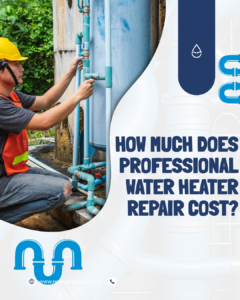
Your water heater never becomes part of your daily consciousness until you have to take that freezing cold shower, on the worst possible day in Houston, where the humidity makes everything so much worse. Be it a traditional tank-based unit hidden away in an attic in Katy, a tankless unit located in a garage in Sugar Land, or a commercial installation in downtown Houston, knowing exactly what it will cost for professional water heater repair service is necessary.
The problems that can occur with your water heater aren’t just an inconvenience—they place your home at financial risk in terms of costly water damage and structural mold problems.
This highly specific, fully comprehensive data-driven guide provides a breakdown of professional water heater repair service costs in greater Houston area metropolitan communities. We examine all possible variables including individual part replacement, structural water heater conversions, Houston code requirements, permits, and local geographic variations in pricing including suburbs such as Cypress, The Woodlands, and Spring.
1. Quick Breakdown of Water Heater Repair Cost in Houston
In the event that you are currently facing a plumbing emergency and require a ballpark estimate before hiring a licensed professional for water heater repair, this breakdown outlines current market estimates for diagnostics, part repairs, and complete systems.
Service Category Houston Average Low Range Houston Average High Range
Standard Service Call/Diagnostic Fee $70 $170
Minor Part Replacement (Thermocouple, Anode Rod) $100 $350
Major Part Replacement (Gas Valve, Internal Heating Elements) $250 $750
Tankless Water Heater Specific Repairs $300 $1,300
System Flush & Preventative Maintenance $75 $250
Emergency Overtime/Weekend Call-Out Fee $300 $400
Severe System Failure Clarification: In the event that your hot water tank has developed a physical leak from its base due to structural corrosion, the system will have to be replaced, with prices ranging from $882 to $2,400+ in the Houston market based on the required tank size.
2. Average Plumber Labor Rates and Service Fees in Houston
To better understand how an itemized repair bill is created, we need to consider how professional plumbing contractors of the residential kind bill for their labor in Southeast Texas.
Unlike basic handyman services, water heater diagnosis and repairs entail dealing with high voltage electricity, pressurized water pipes, and extremely explosive natural gas pipes. As a result, such tasks require a plumbing professional certified by the Texas State Board of Plumbing Examiners (TSBPE).
Labor Rate Per Hour vs. Flat Rate Pricing
Hourly rate: Standard residential plumbers in Houston charge $62-$110 for routine maintenance. Meanwhile, very skilled Master Plumbers can demand anything from $120 up to $200 an hour for troubleshooting gas pipe problems or working with commercial-level plumbing system.
Flat Rate Pricing: Most reputable plumbing service providers in the area operate on a flat rate pricing model. It means that you get a guaranteed quote for a specified repair task (for example, replacing a faulty upper heating element) regardless of how long will it take your plumber to finish the job. It helps to protect you from potential over-billing.
Diagnostic / Service Call Fee
As a rule, professional plumbing outfits have a base fee for a diagnostic visit that ranges from $70 to $170. This fee covers the cost of sending a fully equipped truck and a licensed plumber to your place to run a full diagnostic on your plumbing system.
In most cases, if you agree with the repair solution proposed, the company will either discount or refund the diagnostic fee from the total repair bill.
3. Detailed Cost Breakdown of Particular Component Replacement
What is wrong with your water heater determines its final repair cost. Water heaters are thermodynamically complicated machines with lots of safety mechanisms that are supposed to prevent explosions, fires, or structural flooding.
See the detailed breakdown below that includes the prices of parts and labor costs for particular component replacement in the traditional gas or electric tank systems.
+————————————————————-+
| COMMON WATER HEATER REPAIR COSTS |
+————————————————————-+
| |
| [ Diagnostic Fee ] ———> $70 – $170 |
| |
| [ Heating Element ] ——–> $150 – $350 |
| |
| [ Thermostat ] ————-> $150 – $300 |
| |
| [ Thermocouple ] ———–> $100 – $250 |
| |
| [ T&P Safety Valve ] ——-> $150 – $325 |
| |
| [ Anode Rod Replacement ] –> $150 – $350 |
| |
| [ Main Gas Control Valve ] –> $300 – $750 |
| |
+-------------------------------------------------------------+
Heating Element Replacement (Electric Models)
Average Cost: $150 to $350 per part.
The Problem: Electrical water heater units usually comprise of two unique heating parts, the upper element, and the lower element. Mineral and sediment build-up over time results in the burnout of the metallic elements due to overheating.
The Fix: Draining the water tank to a point just below the affected part, unthreading the part, cleaning the inner port, replacing it with a higher wattage element, and then testing its resistance.
Replacing the Thermostat
Average Cost: $150 to $300.
The Problem: Your water heater may be either too hot or too cold despite having perfectly operational heating components. There is an internal thermostat in all electric water heaters. In this type, there are two different thermostats that operate each heating element separately. On the other hand, gas water heaters utilize a central control module.
The Fix: Disconnection of the wire harness, removal of the dysfunctional thermostat, calibration of the replacement thermostat and setting the temperature limit to 120°F.
Replacement of the Thermocouple or Flame Sensor
Average Cost: $100 to $250.
The Problem: The thermocouple is a safety component in the gas water heater system. It detects whether or not the pilot flame is active. If it gets damaged by being bent, corroded or cracked, it closes off the fuel supply leading to lack of water heating.
The Fix: Detaching the burner assembly, disconnecting the old thermocouple line from the valve block, fitting a new high-temperature thermocouple sensor, re-lighting the pilot and performing a test run.
Recovery and Drain Valve (T&P Valve) Replacement
Average Cost: $150 to $325.
The Problem: T&P valve is the most crucial safety item in water heaters. It releases water in case the internal pressure and temperature rises to dangerously high levels and prevents tank explosion. When you see continuous dripping or leaking from the discharge pipe, the valve's spring mechanism is defective.
The Fix: Depressurizing the tank, draining the water from the top, unthreading the defective T&P valve, applying thread sealing compound, installing a new one and then checking for leaks.
Anode Rod Replacement
Average Cost: $150 to $350.
The Problem: Anode rod is an internal rod in the water heater that is made of magnesium, aluminum or zinc. It has only one purpose – it lures the corrosive minerals in the water to attack it instead of attacking the steel water tank shell. In case this rod is depleted,Gas Control Valve Replacement
- Average Cost: $300 to $750.
- The Problem: The main gas control valve regulate fuel flow to the burner ring based on structural messages sent from the thermostat. When this complex electrical/mechanical component fails, the burner will fail to light, or it may exhibit sporadic heating behavior.
- The Fix: Safely shutting down the home’s main gas line connection, disconnecting the manifold tube, pilot tube, and thermocouple, replacing the central control mechanism, checking for gas leaks with specialized testing fluid, and recalibrating the gas pressure.
Dip Tube Replacement
Average Cost: $150 – $300.
The Problem: Plastic dip tube is responsible for sending incoming cold water straight to the bottom of the tank where it gets heated effectively by the burner or bottom heating element. In case when the dip tube wears off or breaks off in the tank, cold water will mix with hot water that stays on the top of the tank, and it makes your shower run too warm or turns cold after a few minutes.
The Fix: Disconnecting cold water inlet, removing the remains of the broken plastic tube, installing a new durable dip tube and reconnecting water connections.
4. Costs of Tankless Water Heater Repair vs. Traditional Tank Repair
Technology used to heat water plays a major role in determining labor and materials’ prices. To repair tankless heater you need to have completely different diagnostic skills than those needed to fix traditional tank type.
Traditional Tank Systems
The design of traditional tanks works on mechanical basis: water is stored in the cylinder and is constantly heated by electric elements or gas burners. Due to standardization of all parts and their availability, repairs are relatively cheap, costing $150-$450 in most cases.
Tankless Systems (On-Demand Water Heaters)
Tankless units are complex electronic devices with circuit boards, flow sensors, modulating gas valves and complicated heat exchangers. In case of an error code thrown by your tankless system, advanced level of electronic troubleshooting will be required.
Average Repair Price Range: $300 – $1,300.
Heat Exchanger Cleaning/Repair: In case when the copper heat exchanger becomes blocked by mineral deposits, restoration of its functioning will cost $400-$900, depending on how badly clogged it is.
PC Board Replacement: Replacing burnt-out motherboard/main control board of high-end tankless unit is going to cost you $500-$950.
5. Factors That Influence Water Heater Repair Prices
If you call three different plumbing companies of Houston metro area, you’ll get three slightly different prices. It is so because there are several factors influencing the price of labor and materials that will be required to repair your heater.
1. Fuel Type (Gas vs. Electric)
In addition, water heater units running on gas demand special vent monitoring, gas leak detection, and accurate gas pressure calibration – all of which increases repair cost by an average 15% to 30% compared to electric appliances.
2. Location and Accessibility of the Appliance
Where is your water heater situated?
Easy Access: In case your appliance is positioned on the first floor in a wide-open garage or a utility closet – labor cost will stay at the low end of the price range.
Hard Access: In case your water heater is deeply hidden in the attic, requires access via a steep ladder, or concealed behind drywall – your labor cost will be increased by $100-$250 for added safety precautions and physical effort required to fix it.
3. Age and Overall State of the Appliance
Should your water heater be more than 10 years old and covered with external corrosion or rusted pipe fittings – what would be normally a 20-minutes job can turn into a time-consuming multi-hour task due to brittle metal threads that can strip or break under pressure thus requiring additional pipe fabrication to properly perform the job.
4. Houston’s Regional Hard Water Specifics
Water system in Houston has its own unique mineral composition. Areas such as Katy, Sugar Land, and Cypress have hard water conditions, meaning there are a lot of dissolved calcium and magnesium ions in the water.
Once heated, these ions crystallize forming rock-like deposit at the bottom of your water tank, insulating heating element. This forces the water to stay hotter for longer periods of time – thus increasing the rate of wear and tear.
6. Houston Geographic Suburbs and their Pricing Characteristics
There can be differences in prices based on where specifically in Houston metropolitan area you reside. Travel time, local gasoline prices, and master plumbing districts will have an effect on local service quotes.
+————————————————————-+
| ESTIMATED REPAIR COSTS BY HOUSTON SUBURB |
+————————————————————-+
| |
| [ Central Houston ] ——–> $250 – $600 |
| |
| [ Katy / Cinco Ranch ] —–> $275 – $650 |
| |
| [ Sugar Land / Missouri C. ] > $265 – $625 |
| |
| [ Cypress / Jersey Village ] > $260 – $610 |
| |
| [ The Woodlands / Spring ] –> $280 – $680 |
| |
+-------------------------------------------------------------+
Central Houston (Inside the 610 Loop)
Repair Cost Range: $250 to $600.
Local Dynamics: Plumbers working within the urban core face tight historical home sizes, restricted street parking, and difficult traffic situations. This dynamic might increase diagnostics flat fees, especially for aged galvanized plumbing systems in older homes.
Katy / Cinco Ranch
Repair Cost Range: $275 to $650.
Local Dynamics: Katy consists of large suburban houses that use dual-tank installations or high-efficiency tankless systems. In the local water supply, there is a high presence of minerals. Thus, scaling and elements burnout happen quite often in Katy.
Sugar Land / Missouri City
Repair Cost Range: $265 to $625.
Local Dynamics: In Sugar Land, there are high water pressures at the base line. This means that plumbers in Sugar Land regularly have to perform replacement or repair of the Pressure Reducing Valves (PRV) in addition to regular water heater installation tasks in order to save the appliance.
Cypress / Jersey Village
Repair Cost Range: $260 to $610.
Local Dynamics: Fast suburban sprawl in Cypress leads to a situation when houses there have rather new plumbing systems. However, those systems need compliance with current codes upgrade if the old builder grade water heater fails earlier than expected.
The Woodlands / Spring
Repair Cost Range: $280 to $680.
Local Dynamics: Additional travel premiums due to the distance from central dispatch locations and weather patterns with dense tree cover cause many requests of emergency services in the area.
7. Fees for Emergency Water Heater Repair in Houston
Plumbing problems do not respect regular working hours. If your water heater bursts at 11:00 PM on Saturday night, you will definitely need an emergency service.
What Constitutes a True Water Heater Emergency?
Constant, uncontrolled flow of water dripping out of the bottom of the tank shell.
Natural gas or sulfur smell in the area of the burner shroud.
Totally blocked or clogged water heater vent pipe blowing carbon monoxide back into your home.
Emergency Pricing Structures
If you’re in need of emergency service after business hours, during weekends or on major holidays, you should be ready to pay additional costs.
Fixed Emergency Diagnostic Dispatch Fee: Most firms will ask you for a fixed emergency service trip fee of $300-$400 to send out an engineer outside of normal working hours.
Inflated Hourly Labor Rates: If they charge by the hour, the basic labor rate charged will usually increase 1.5-3 times above the firm’s standard daytime rate, so expect to pay $150-$300/hour and above for emergency service.
8. Repair versus Replacement: Which is the Right Call?
Choosing between repairing or replacing your old water heater is always the most difficult decision for a homeowner to make.
Is there a Leak in Your Water Heater Tank?
/ \
Yes No
/ \
[Must Replace Unit] Over 10-12 years old?
/ \
Yes No
/ \
[Consider Replacing] [Safe to Repair]
The key to making the right choice is based on these three fundamental rules of thumb:
1. The Age of the Water Heater Unit
Traditional Tank Water Heaters have a life span of 8-15 years. When your tank heater is beyond the 10-year mark, metal fatigue inside the heater dictates the need for replacement.
Tankless Water Heaters will last 10-20 years if properly maintained.
2. 50% Rule of Thumb
Using the repair estimate that you receive from your plumber, if the cost of fixing the problem is more than 50% of what it will take to install a new unit, then it is much better to spend the money on installing a new unit that carries its own manufacturer’s warranty.
3. Irreparable Leak in the Water Heater Tank
A tank water heater that is leaking directly from the body of the metal tank or structural seams is irreparably damaged. This kind of leakage means that the internal glass coating inside the tank heater has been cracked, while the external steel shell is corroded beyond repair. It cannot be welded or patched up any longer.
9. Local Houston Building Codes, Permitting, and Legal Regulations
You cannot just switch pieces out or change footprint configurations without consideration for structural building codes. Your home and surrounding properties in the City of Houston area are bound by stringent building codes to protect you.
City Building Permitting Regulations
As per the Public Works Department in the City of Houston, any structural change to the plumbing in your house, such as changing a water heater or making changes to utility line configuration, will require a plumbing permit.
Building Permit Fees: Basic municipal plumbing permits will usually cost somewhere between $25 and $300 based on the scale of work to be checked.
Reasons Why You Should Obtain Building Permits: Failure to get the required permits can attract fines from city code enforcement officers, interfere with the sale of your home during future real estate inspections, and provide justification to insurance adjusters should your home experience water damage due to a non-permitted appliance.
Code Compliance Requirements to Note
In case your present water heater setup was installed several years ago, you may need to bring it up to date during a professional repair or replacement:
Thermal Expansion Tank: If your home has a closed-loop water system, it should have a thermal expansion tank installed above the main water heater to absorb volume changes caused by heating to avoid placing excessive stress on your pipes.
Safety Drip Pans and Run-off Lines: In case the water heater is installed in the attic or the living area inside the house, then it has to be installed in an insulated drip pan that has an unimpeded drain line that leads to the exterior of your home’s foundation.
Gas Supply Line Upgraded Shut-off Sediment Trap: Your gas supply line should have a short inline sediment trap (also referred to as the dirt leg). It captures any dust and moisture before it reaches the water heater’s gas control valve.
10. Doing It Yourself or Hiring a Licensed Houston Plumbing Contractor
In the face of many how-to home improvement videos online, it may be tempting to attempt to repair your water heater on your own to save money. However, there are a few things to remember about where it makes sense to go DIY and where it poses a danger to your home.
What Savvy Homeowners Should Do It Themselves
If you are handy with hand tools and digital multimeter, here are some repairs that you can do
When You Absolute Must Call a Licensed Plumber
You should definitely have a plumbing professional deal with the repair job in case the following applies:
Working with Gas Lines: Disconnecting, connecting and testing gas lines need specialized pressure manometers and gas detectors. A single misstep may result in natural gas leaks or carbon monoxide buildup.
Multi-Phase Electrical Upgrades: Installing a high demand electric tankless system instead of the usual tank water heater requires new heavy gauge wiring as well as a renovation of your electrical panel up to 200 amps or above. Such an upgrade demands that you use the services of either a licensed electrician or a specialist plumber.
Preserving your warranty: Most big brands producing water heaters (e.g. Rheem, A.O. Smith, Bradford White) will cancel your parts warranty if a component is not professionally installed and certified by a licensed contractor.
11. Preventative Maintenance Guide to Save Yourself from Costly Repairs
The best method of keeping your water heater repair bills in check is to avoid breakages altogether. Proper care of the appliance will prolong its life, reduce your energy consumption expenses and prevent you from calling an emergency service.
1.Turn Off the Power and Fuel Sources:Step 1 – Safety First.
Before you start working on your water heater, you have to turn off its power source. If your appliance is electric, shut down the right breaker in your main panel. For gas heater – turn off the control dial on the valve.
2.Connect a Standard Garden Hose:Step 2 – Connect Drain.
Connect a garden hose to the brass or plastic drain valve located near the bottom of your heater tank. Take the other end of the hose to a drainage location (floor drain, driveway or lawn).
3.Open a Hot Water Faucet Inside the Home:Step 3 – Break Vacuum.
Open a hot water faucet inside your home. It will allow air to go into the plumbing lines, breaking vacuum seal inside and thus facilitating water draining.
4.Open the Drain Valve Fully:Step 4 – Flush Sediment.
Open the drain valve of your water heater. Allow the water to flow until the tank is empty. Watch for white mineral scale or muddy sediment. Once the tank is emptied, open the cold water inlet valve a few times.
5.Fill the Tank Before Turning Power on:Step 5 – Refill and Restore Power.
Close the drain valve, disconnect the hose and turn your cold water inlet valve on to fill the
12. Smart Questions to Ask a Professional Houston Plumber
When reaching out to a plumbing professional to deal with water heater problems, you have to be sure that you are cooperating with experienced and honest companies.
Here is a list of direct questions that will help you protect your investment prior to giving your permission to begin with the repairs:
1. “Do you have the state plumbing license to perform your services from the Texas State Board of Plumbing Examiners (TSBPE)?”
You should always check whether the technician working in your house holds the current state plumbing license to work with your gas and water lines.
2. “Does your estimate of costs cover all necessary permits and updates according to local codes?”
It will help you to avoid any unnecessary charges for additional permits like sediment traps and expansion tanks later on.
3. “How does the warranty period look for your labor and new components?”
Honest businesses guarantee their customers at least 1-year warranty for their labor apart from manufacturer’s warranty for new parts.
4. “Can the problems with my system be solved by means of flushing, or some components have already been damaged?”
Honest professionals will always inform you about the necessity of replacing one of the components rather than performing maintenance.
With this guide by hand, you will be able to make reasonable choices and communicate with the technician effectively.